

What chemicals can damage a silicone cup mat?
Jan 08, 2026
Silicone cup mats are a popular choice for many households and businesses due to their durability, heat resistance, and ease of cleaning. As a silicone cup mat supplier, I've often been asked about the substances that can potentially damage these useful items. In this blog, I'll explore the various chemicals that pose a threat to silicone cup mats, so you can take proper care of your products and ensure their longevity.
General Chemical Resistance of Silicone
Silicone is known for its excellent chemical resistance. It can withstand a variety of substances under normal conditions. Silicone cup mats are generally unaffected by water, mild soaps, and common household detergents. These properties make them ideal for use in kitchens and dining areas. However, there are certain chemicals that can cause harm to the silicone material.
Strong Acids
Strong acids such as sulfuric acid (H₂SO₄), hydrochloric acid (HCl), and nitric acid (HNO₃) can have a detrimental effect on silicone cup mats. These acids are highly corrosive and can break down the silicone polymer chains. When silicone comes into contact with strong acids, it may start to degrade, losing its elasticity and becoming brittle over time. In severe cases, the acid can cause the silicone to dissolve or develop holes.
For instance, in a laboratory setting where these acids are commonly used, if a spill occurs on a silicone cup mat, immediate action should be taken. The acid should be neutralized with a suitable base and the mat should be thoroughly rinsed with water. Prolonged exposure to strong acids will significantly reduce the lifespan of the silicone cup mat.
Strong Bases
Similar to strong acids, strong bases like sodium hydroxide (NaOH) and potassium hydroxide (KOH) can also damage silicone. These substances are highly alkaline and can react with the silicone material. When a silicone cup mat is exposed to strong bases, it can cause swelling and softening of the silicone, leading to a loss of shape and integrity.
In a household or industrial environment, if a strong base spill occurs on a silicone cup mat, it is crucial to clean it up promptly. The base should be removed with copious amounts of water to prevent further damage to the mat.
Organic Solvents
Organic solvents such as acetone, benzene, toluene, and chloroform are extremely harmful to silicone cup mats. These solvents can dissolve the silicone material, causing it to lose its physical properties. For example, if you use a cleaning product that contains acetone on a silicone cup mat, the acetone can penetrate the silicone and break down its molecular structure.
In a beauty salon where acetone is commonly used to remove nail polish, if a bottle of acetone spills on a silicone cup mat, the mat may be severely damaged. The best way to avoid this is to keep silicone cup mats away from areas where organic solvents are used or stored.
Oils and Greases
Although silicone has good resistance to many oils and greases, prolonged exposure to certain types of oils can still cause problems. For example, automotive oils and some industrial lubricants can penetrate the silicone and cause it to swell or lose its flexibility. This can lead to a change in the texture and appearance of the cup mat.
In a kitchen, while cooking oils generally do not cause immediate damage to silicone cup mats, if the mats are not cleaned regularly, the accumulation of oil can gradually affect the silicone. It is recommended to wash silicone cup mats regularly with mild soap and water after each use to prevent the buildup of oils and greases.
Oxidizing Agents
Oxidizing agents such as hydrogen peroxide (H₂O₂) and chlorine bleach can also damage silicone cup mats. These agents can cause oxidation of the silicone, leading to discoloration and a decrease in its mechanical properties. For example, if you use a chlorine bleach solution to clean a silicone cup mat, the bleach can react with the silicone and weaken its structure.
When cleaning silicone cup mats, it is advisable to use non - oxidizing cleaning agents to avoid damage. If you need to disinfect the mat, a mild soap and warm water solution is usually sufficient.
Protecting Silicone Cup Mats from Chemical Damage
To protect your silicone cup mats from chemical damage, here are some practical tips:

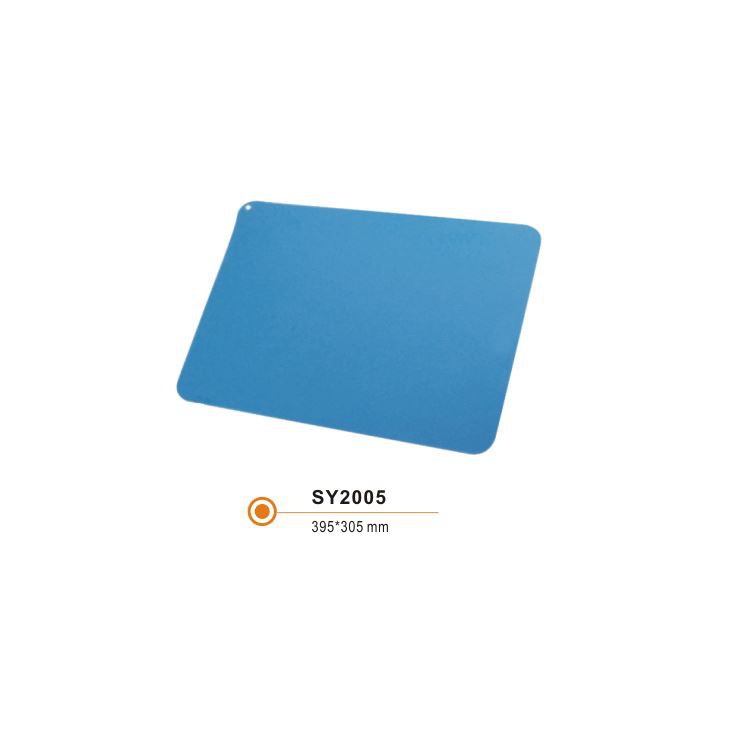
- Avoid contact with harsh chemicals: Keep silicone cup mats away from strong acids, bases, organic solvents, and oxidizing agents. If accidental contact occurs, clean the mat immediately.
- Use mild cleaning agents: When cleaning silicone cup mats, use mild soaps or detergents. Avoid using abrasive cleaners or those containing harsh chemicals.
- Regular cleaning: Clean the cup mats regularly to prevent the buildup of oils, greases, and other substances that may cause damage over time.
Our Silicone Cup Mat Products
At our company, we offer high - quality silicone cup mats that are designed to withstand normal wear and tear. Our products are made from premium silicone materials that provide excellent heat resistance and chemical stability. In addition to silicone cup mats, we also offer Silicone Trivet for Cookware and Silicone Baking Sheet for Cookware. These products share the same great features as our cup mats and are perfect for various kitchen applications.
We understand the importance of providing durable and reliable products to our customers. That's why we ensure that all our silicone products go through strict quality control processes. Our goal is to offer you the best silicone products that can serve you for a long time with proper care.
Contact Us for Purchase
If you are interested in our silicone cup mats, trivets, or baking sheets, we invite you to contact us for a purchase consultation. Our team of experts is ready to answer all your questions regarding product specifications, pricing, and shipping. We strive to provide excellent customer service and look forward to the opportunity to serve you.
References
- "Silicone Polymers: Chemistry and Technology" by Alan L. Smith.
- "Handbook of Polymer Science and Technology" edited by Herman F. Mark.
- Journal articles on silicone materials and their chemical resistance from various scientific publications.