

How does a silicone steamer compare to a bamboo steamer?
Jun 06, 2025
When it comes to steaming food, two popular options stand out: silicone steamers and bamboo steamers. As a supplier of silicone steamers, I've had the opportunity to closely examine both types of steamers and understand their unique characteristics. In this blog post, I'll compare silicone steamers to bamboo steamers, highlighting the advantages and disadvantages of each to help you make an informed decision for your kitchen.
Material and Durability
Silicone steamers are made from food - grade silicone, a synthetic material known for its flexibility, heat resistance, and non - stick properties. Silicone can withstand high temperatures, usually up to 450°F (232°C), making it suitable for various steaming tasks. It is also highly durable and resistant to wear and tear. Unlike some other materials, silicone doesn't absorb odors or flavors, which means it won't transfer unwanted tastes to your food over time.
On the other hand, bamboo steamers are crafted from natural bamboo. Bamboo is a renewable resource, which makes it an environmentally friendly choice. However, bamboo steamers require more careful maintenance. They can be damaged by excessive moisture, which may cause the bamboo to warp or mold. With proper care, a bamboo steamer can last for a long time, but it is generally more fragile compared to a silicone steamer.
Design and Functionality
Silicone steamers often come in a variety of shapes and sizes, from collapsible designs that are easy to store to multi - tiered models for steaming multiple dishes at once. Their flexibility allows them to fit into different types of pots and pans, making them a versatile option for home cooks. The non - stick surface of silicone also makes it easy to remove steamed food without leaving any residue behind. You can find silicone steamers with perforated bottoms to ensure proper steam circulation, which is essential for even cooking.
Bamboo steamers typically have a more traditional design, with a round or square shape and multiple tiers stacked on top of each other. They are well - known for their ability to impart a subtle, earthy flavor to the food, which some people find appealing. The natural pores in bamboo allow steam to circulate effectively, resulting in evenly cooked food. However, bamboo steamers may not fit as snugly in modern cookware as silicone steamers do, and they may require a specific pot size to work properly.
Cleaning and Maintenance
One of the significant advantages of silicone steamers is their ease of cleaning. They are dishwasher - safe in most cases, which saves a lot of time and effort. If you prefer to clean them by hand, a simple wash with warm, soapy water is usually sufficient to remove any food particles. Since silicone doesn't absorb stains or odors, it retains its clean appearance even after multiple uses.
Cleaning a bamboo steamer is a bit more involved. After each use, it should be washed with mild soap and water and then dried thoroughly to prevent mold growth. You should never soak a bamboo steamer in water for an extended period. It is also recommended to oil the bamboo occasionally to keep it in good condition. This extra maintenance can be a deterrent for some busy home cooks.
Cost
In general, silicone steamers tend to be more affordable than bamboo steamers, especially when considering their long - term durability. Bamboo steamers, due to the cost of the natural material and the craftsmanship involved in their production, can be relatively expensive. However, the price can vary depending on the size, brand, and quality of both types of steamers.
Health and Safety
Silicone steamers are made from food - grade silicone, which is considered safe for food contact. It is free from harmful chemicals such as BPA, phthalates, and lead, ensuring that your food remains healthy and safe to eat. Silicone also doesn't produce any toxic fumes when heated, making it a reliable choice for cooking.
Bamboo is a natural material, and when properly treated, it is also safe for food use. However, some bamboo steamers may be treated with chemicals during the manufacturing process, so it's important to choose a high - quality product from a reputable source.
Additional Silicone Kitchen Tools
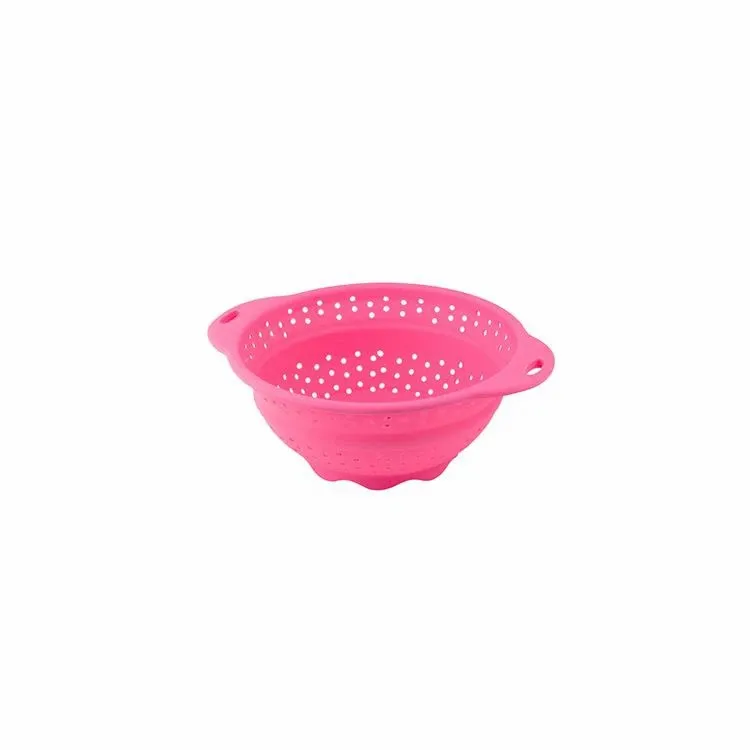
If you're interested in other silicone kitchen tools, we also offer a range of products to enhance your cooking experience. Check out our Silicone Brush for Cookware, which is great for applying oil or sauces evenly. Our Silicone Bowl Cover for Cookware is a convenient way to cover your bowls and keep food fresh. And for straining purposes, our Silicone Strainer is a practical addition to your kitchen.

Conclusion
Both silicone steamers and bamboo steamers have their own merits. If you value durability, ease of cleaning, and versatility, a silicone steamer may be the better choice for you. On the other hand, if you prefer a traditional cooking experience and enjoy the natural flavor that bamboo can impart to your food, a bamboo steamer could be the right option.
As a silicone steamer supplier, I believe that silicone steamers offer a modern solution to the age - old art of steaming. Their many advantages make them a popular choice among home cooks and professional chefs alike. If you're interested in purchasing silicone steamers or learning more about our products, please feel free to reach out for a procurement discussion. We're always happy to assist you in finding the perfect silicone steamer for your kitchen needs.
References
- "The Science of Cooking with Silicone" - Journal of Culinary Science
- "Bamboo in the Kitchen: A Traditional Approach" - International Journal of Sustainable Kitchenware
- "Comparative Study of Silicone and Bamboo Steamers" - Kitchenware Research Quarterly