

How do I ensure even baking in silicone bakeware?
Dec 30, 2025
Hey there, fellow bakers! I'm a supplier of top - notch silicone bakeware, and I know how frustrating it can be when your baked goods don't turn out evenly. You put in all that effort, and then you get a cake that's burnt on the edges and raw in the middle. But don't worry, I've got some great tips on how to ensure even baking in silicone bakeware.
First off, let's talk about the benefits of silicone bakeware. It's flexible, non - stick, and easy to clean. Plus, it can withstand a wide range of temperatures, making it perfect for baking. But because it's so different from traditional metal or glass bakeware, it requires a bit of a different approach to get that even bake.
Choose the Right Size and Shape
One of the most important things is to pick the right size and shape of silicone bakeware for your recipe. If the pan is too big, the batter will spread out too thin, and it might cook too quickly on the edges. If it's too small, the batter will be too thick, and the middle might not cook properly.
For example, if you're making a loaf of bread, go for the Loaf Pan Silicone Bakeware. Its shape is designed to give your bread a nice, even rise. And if you're planning to bake a square - shaped dessert, the Square Pan Silicone Bakeware is a great choice. It distributes heat evenly across the square surface.
Prepare the Bakeware Properly
Even though silicone bakeware is non - stick, it's still a good idea to give it a little extra help. Grease the pan lightly with butter or cooking spray. This not only helps with the release of the baked goods but also helps with heat distribution.
Another thing you can do is line the pan with parchment paper. This creates a barrier between the batter and the silicone, and it can also help prevent sticking. Just cut the parchment paper to fit the bottom and sides of the pan, and you're good to go.
Adjust the Oven Temperature
Silicone bakeware conducts heat differently than metal or glass. It tends to absorb and distribute heat more slowly. That means you might need to adjust your oven temperature. A general rule of thumb is to reduce the oven temperature by about 25°F (14°C) compared to what the recipe calls for when using metal bakeware.
For instance, if a recipe says to bake at 375°F (190°C) in a metal pan, set your oven to 350°F (177°C) when using silicone. This slower, lower - heat baking helps ensure that the inside of your baked goods cooks evenly without the edges getting overdone.
Rotate the Bakeware
Even with the temperature adjustment, it's still common for the heat in your oven to be uneven. To counter this, rotate the silicone bakeware halfway through the baking time. This ensures that all sides of your baked goods get an equal amount of heat.
Let's say your recipe says to bake for 30 minutes. After 15 minutes, open the oven carefully, grab the pan with oven mitts, and turn it around. Then close the oven quickly to minimize heat loss. This simple step can make a huge difference in the evenness of your bake.
Use a Baking Stone or Rack
Placing your silicone bakeware on a baking stone or rack can improve heat distribution. A baking stone absorbs and radiates heat evenly, which helps cook your baked goods more evenly. If you don't have a baking stone, a wire rack works well too. It allows hot air to circulate around the pan, which can prevent the bottom from getting too brown too quickly.
Check for Doneness Properly
Since baking times can vary when using silicone bakeware, it's important to check for doneness properly. Don't just rely on the time in the recipe. Use a toothpick or cake tester to check the center of your baked goods. If it comes out clean, your cake, muffin, or whatever you're baking is likely done.

For bread, you can also tap the bottom. If it sounds hollow, it's a good sign that the inside is cooked through. And for custards or cheesecakes, look for a slight jiggling in the center. It should be set but still have a little give.
Consider Pre - heating the Oven and Bakeware Together
Pre - heating your oven is a must for even baking. But here's a little trick: you can also pre - heat your silicone bakeware along with the oven. This helps the bakeware reach the same temperature as the oven, which can lead to more even cooking. Just be careful when taking it out of the oven, as it will be hot!
Pay Attention to the Batter Consistency
The consistency of your batter can also affect the evenness of baking. If the batter is too thick, it might not spread evenly in the pan. If it's too thin, it could run to the edges and cook faster there. Make sure to follow the recipe carefully when it comes to mixing the batter. Use the right amount of ingredients and mix them to the proper consistency.
Our Silicone Bakeware Sets
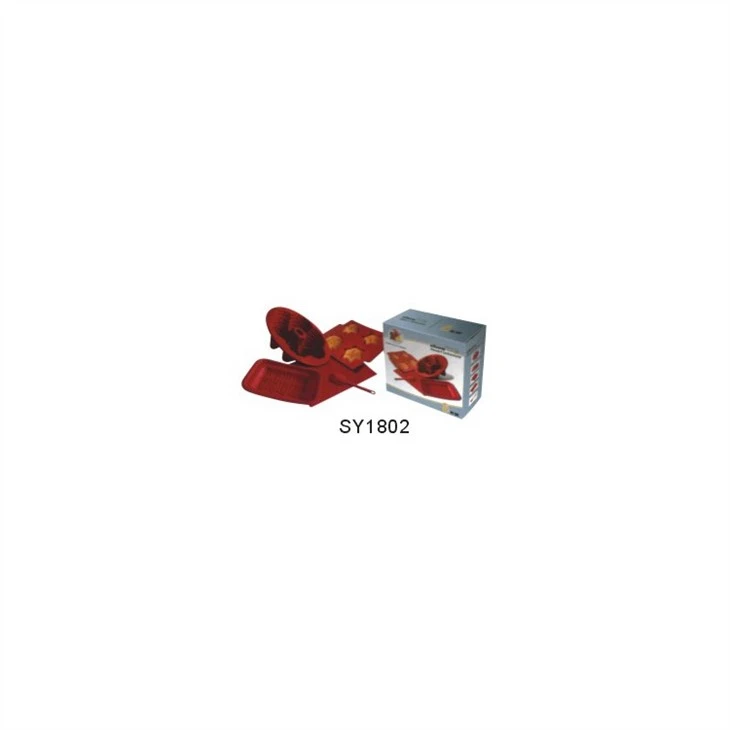
We offer a great 5 Pcs Silicone Bakeware set that has a variety of shapes and sizes. Whether you're baking cupcakes, muffins, or a small cake, this set has you covered. The high - quality silicone ensures that heat is distributed as evenly as possible, and the non - stick surface makes it a breeze to clean up.
In conclusion, ensuring even baking in silicone bakeware takes a bit of practice and some adjustments, but it's definitely doable. By following these tips, you'll be on your way to baking perfect, evenly cooked treats every time.
If you're a bakery owner, a home baker looking to stock up, or just someone interested in high - quality silicone bakeware, I'd love to talk to you. Reach out to start a conversation about how our products can meet your baking needs. Let's work together to make your baking experience even better!
References
- Professional Baking Handbook, various authors
- Baking Science and Technology Journal