

Are silicone trivets and mats more durable than other materials?
Jan 19, 2026
Hey there! As a supplier of silicone trivets and mats, I often get asked if these silicone products are more durable than other materials. Well, let's dive right into it and explore this question in detail.
First off, let's talk about what makes durability so important. A trivet or mat that you place under hot pots and pans, or use for baking and other kitchen tasks, needs to withstand a lot. It has to handle high temperatures, constant contact with hot surfaces, and regular wear and tear from cleaning and daily use. If it can't stand up to these conditions, you'll end up replacing it frequently, which can be a real hassle and cost you more in the long run.
Let's start by looking at some of the common materials used for trivets and mats other than silicone. One of the most traditional materials is wood. Wood trivets have a natural, rustic look that many people love. They can add a touch of warmth to your kitchen decor. However, wood has its drawbacks when it comes to durability.
Wood is porous, which means it can absorb moisture. If you place a wet pot on a wood trivet or clean it with water, the wood can start to warp or develop mold over time. High heat can also be a problem for wood. Prolonged exposure to hot pans can cause the wood to char or crack. And let's not forget about scratches. Every time you slide a pot or pan across a wood trivet, it leaves a mark, which can make it look shabby after just a few uses.
Another popular material is ceramic. Ceramic trivets are often beautifully designed and come in a wide range of colors and patterns. They can be a real decorative piece in your kitchen. But ceramic is brittle. A single drop or a hard knock can cause it to chip or break into pieces. And like wood, ceramic doesn't handle extreme temperature changes very well. If you take a hot ceramic trivet and place it in cold water, it can crack due to thermal shock.
Now, let's turn our attention to silicone. Silicone is a synthetic rubber-like material that has some amazing properties when it comes to durability.
One of the biggest advantages of silicone is its heat resistance. Silicone trivets and mats can withstand extremely high temperatures, usually up to around 450°F (232°C) or even higher depending on the quality. This means you can place a piping hot pot or pan directly from the stove or oven onto a silicone trivet without worrying about it melting or getting damaged. Whether you're baking a batch of cookies on a Silicone Baking Sheet for Cookware or using a Silicone Trivet for Cookware under a hot cast-iron skillet, silicone can handle the heat.
Silicone is also highly flexible. Unlike ceramic, it won't break if you drop it. You can bend, fold, and twist a silicone trivet or mat without causing any damage. This flexibility also makes it easy to store. You can roll it up or stack it with other items in your kitchen cabinet without taking up much space.
When it comes to cleaning, silicone is a breeze. It's non-porous, so it doesn't absorb stains, odors, or moisture. You can simply wash it with soap and water in the sink or even pop it in the dishwasher for a thorough clean. And because it's resistant to bacteria and mold growth, you don't have to worry about any unpleasant smells or health risks.
In addition to its heat and water resistance, silicone is also very resistant to chemicals. It won't react with common kitchen substances like vinegar, lemon juice, or cooking oils. This means you can use it with a wide variety of foods and cleaning products without having to worry about it deteriorating.
Another aspect of durability is how well a material holds up to abrasion. Silicone is quite tough in this regard. It can withstand repeated contact with pots, pans, and utensils without getting scratched or worn down. You can slide a heavy cast-iron skillet across a silicone trivet multiple times, and it will still look as good as new.
But like any material, silicone isn't perfect. Over time, if it's exposed to very high temperatures for extended periods or if it's subjected to rough handling, it can start to degrade. However, compared to wood and ceramic, the lifespan of a silicone trivet or mat is generally much longer.
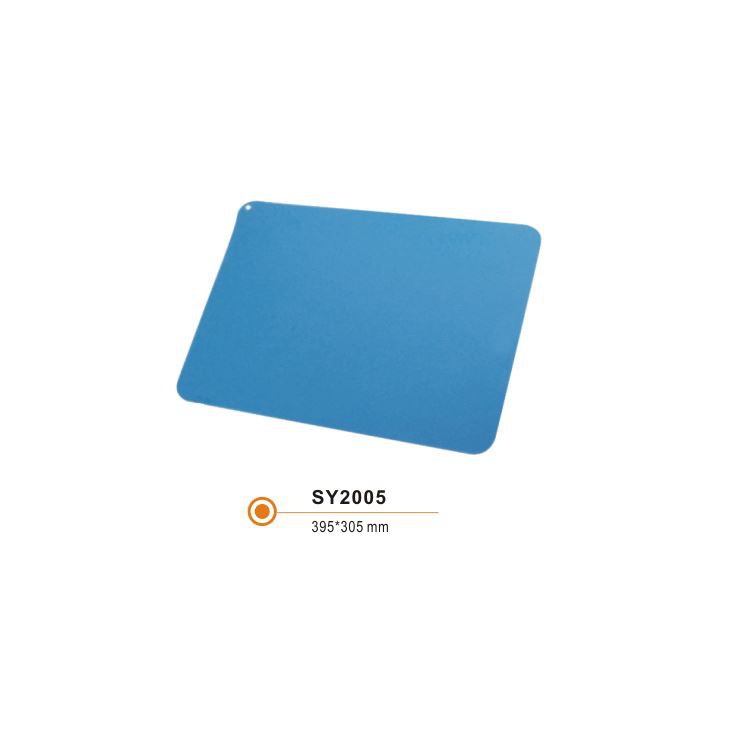

Let's take a look at some real-world examples. Many professional chefs and home cooks alike have switched to silicone trivets and mats because of their durability. In a busy restaurant kitchen, where pots and pans are constantly being moved around and exposed to high heat, silicone trivets can last for years with proper care. And in a home kitchen, a silicone baking sheet can be used for countless batches of cookies, brownies, and other baked goods without showing any signs of wear.
So, to answer the question, yes, silicone trivets and mats are generally more durable than other materials like wood and ceramic. They offer better heat resistance, flexibility, and resistance to moisture, chemicals, and abrasion.
If you're in the market for high-quality silicone trivets and mats, look no further. As a supplier, I can offer you a wide range of products that are not only durable but also stylish and functional. Whether you need a simple trivet for your stovetop or a large baking sheet for your oven, we've got you covered.
If you're interested in purchasing our silicone trivets and mats or have any questions about our products, don't hesitate to reach out. We're always happy to have a chat and discuss your specific needs. We can also provide you with samples so you can see and feel the quality of our products for yourself.
In conclusion, if you want a long-lasting, reliable solution for your kitchen, silicone trivets and mats are the way to go. They'll save you time and money in the long run by not having to be replaced as often as other materials. So why wait? Contact us today and let's start this exciting journey of enhancing your kitchen with our top-notch silicone products.
References
- "Materials Science for Engineers" - A general textbook on materials properties and characteristics.
- "The Kitchenware Handbook" - A guidebook on different types of kitchenware materials and their performance.